
Natural Therapies To Halt High Blood Pressure
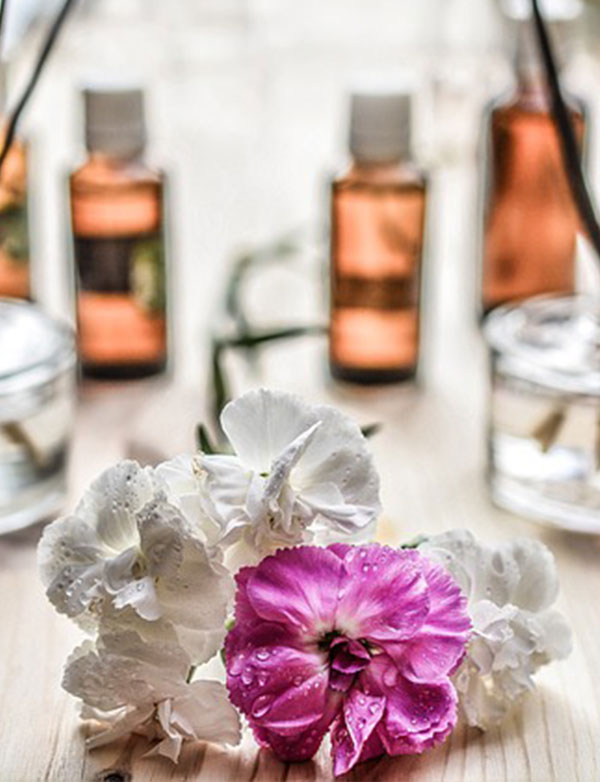
Natural Ways To Lower High Blood Pressure
More and more, patients with high blood pressure show up to doctor and cardiologist appointments carrying bags full of “natural” products that they hope will help lower their blood pressure.
Most doctors don’t always know if these products will do any good, or if they will cause any harm. It is understood that all patients with hypertension (high blood pressure) should adhere to the low-salt diet, which is high in fibre, low in fats and incorporates fruits and lots of vegetables, and follow an exercise and weight loss regimen.
Any alternative options should be considered for use in addition to these lifestyle changes.
Complementary Medicine and High Blood Pressure
As there is a cultural shift where an increasing number of people want to avoid standard pharmaceuticals an effort to is being made to better educate health care professionals and patients but at present, there is not enough data to recommend any of these alternative options on a routine basis.
Dietary Supplements
The shining star among supplements is coenzyme Q10, an enzyme involved in energy production that also acts as an antioxidant.
Patients with hypertension tend to have lower levels of the enzyme and studies have found that treatment with coenzyme Q10 supplements significantly reduced blood pressure.
Potassium, magnesium, fish oil and folic acid can also help lower blood pressure, and there is evidence that increasing the amount of potassium we get through the foods we eat could carry some of the same mild benefits as taking supplements.
Herbal Remedies
The potential herbal remedies identified to lower blood pressure include mistletoe extract and the extract from Hawthorn.
Conversely, a handful of herbal remedies – St. John’s wort, ephedra/ma huang, yohimbine and licorice – may increase blood pressure.
Acupuncture/Meditation
Research on both practices is mixed — the types of patients included, the methods used, and the results, which vary from study to study.
-

Dr. Rachel Hall
Rachel is the founder and principal dentist at Evolve Dental Healing with over 30 years experience, practising holistically since 2001. Not your typical dentist, Rachel is a passionate opinion leader, challenging convention to empower people to make better dental and health choices, helping thousands to have healthy natural smiles. A respected writer and presenter on holistic dentistry, health and wellness it is Rachel’s mission to revolutionise the way people look at their dental health.


